I was prompted to write this after finding a dog loose in a lane. I know this dog, so returned it to it’s house – the gate had been left open. A knock on the door elicited no response.
This dog is often in the garden when I walk by with my pup, I usually stop, have a chat and give her a little biscuit. So far, so good.
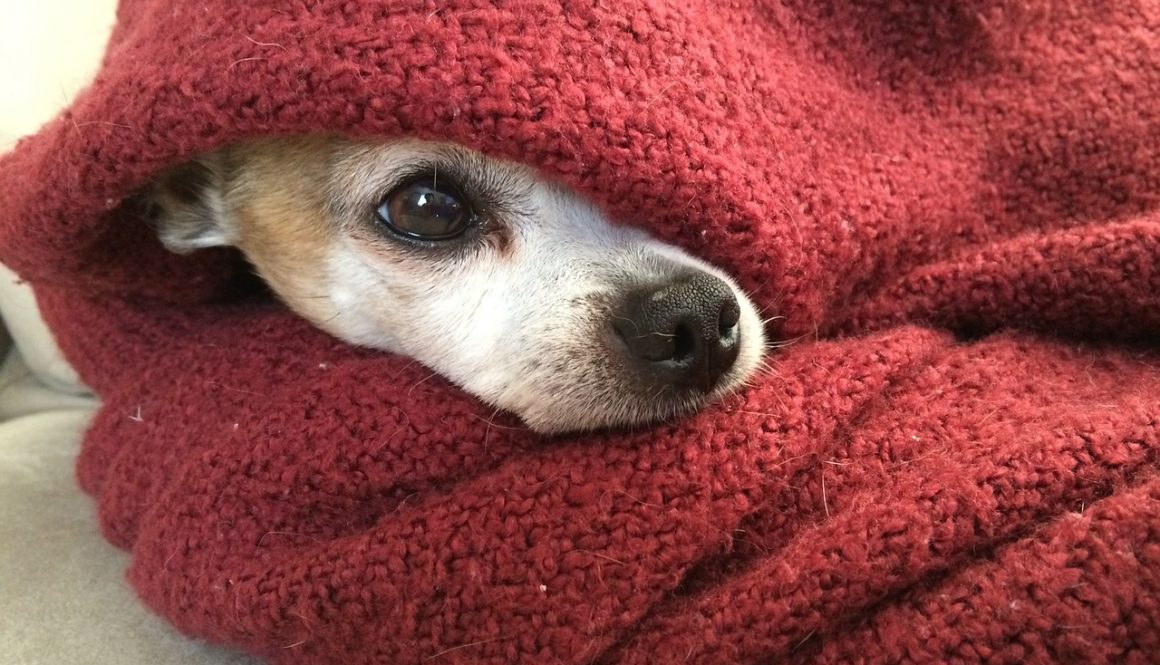
However, this morning the outside temperature (without wind chill) is -5C. That, is cold. Prolonged exposure to these kinds of temperature will result in hypothermia, both for humans and dogs. Stating the obvious – hypothermia kills.
Now, this dog spends quite a bit of time in the garden, she is in good condition so no real problems there. However, it is NOT acceptable to keep doing the same things with a dog, irrespective of changing conditions. Regardless as to whether this dog has some sort of shelter to retreat to – it is, clearly, wrong to expose a dog in this way. Some temperature guidelines can be found here – https://www.gopetplan.com/blogpost/cold-weather-and-dogs
The bottom line here, is use common sense and be aware of the potential problems changing condition present to your dog. Be responsible and take the right steps to care for your dog.
We seem be be living in an, increasingly, stressful world. We worry about what people are saying on Facebook, Twitter or any other social media outlet. We worry about what people think about us in any circumstances throughout the day.
When considering dog owners, I see more and more people out with their dogs showing quite marked levels of stress and worry. Of course, this state has a direct impact on the’re dogs and their quality of life.
Dog owners are worried that a dog barks too much, is too boisterous, tugs on the lead, etc. The net result is that an outing with the dog is another source of stress to these owners. Dogs are kept away from people and other dogs. Owners keep dogs on lead and, continually rebuke them for the smallest misdemeanor in their eyes.
I think there is a need to help owners relax. They need to be able to enjoy going out with their dogs and allow their dogs to be dogs.
I am developing a course with my wife (First in The Q) aimed at helping people live happily with their dogs. It would be of interest to see what people think. Click on the image below to vote in my poll. Do you think a course would help?
Once again, I find myself having to talk about owners not doing the best thing for the dogs in their charge.
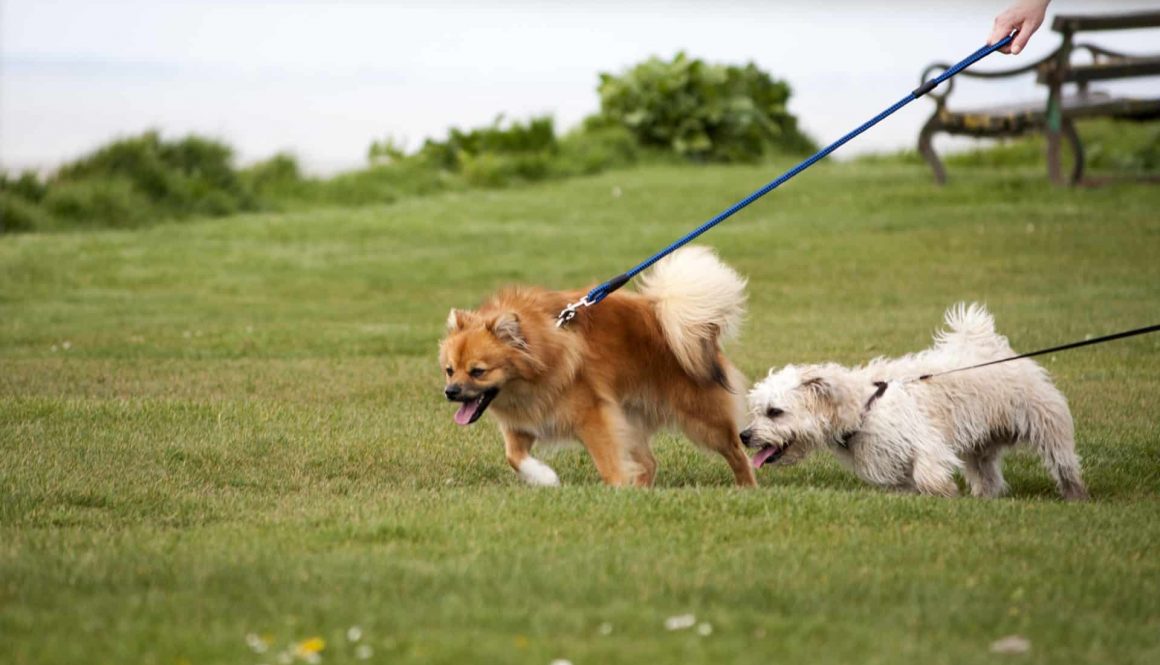
A couple approached the group of dogs I was with, socializing with Ziggy (my pooch). The approaching dog was a Setter on a 9 foot, or so, lead. The owner was, continually, yanking hard on the lead and admonishing her dog. She was, clearly, irritated by her dog. The crime this dog was guilty of? Well, it, simply, just wanted to meet the other dogs and people. It wasn’t pulling, uncontrollably, it was just a little excited.
I, politely, encouraged the owner to allow her dog to interact with the group. She did, to a point but, still kept yanking on the poor dog’s lead. As it happens, I was advising a lady on using a suitable training lead to prevent her dogs pulling on the lead. The new arrival, sort of listened but, it was clear that she wasn’t open to any advise. Her poor dog was getting the brunt of her irritation.
She had had this dog from a pup and it was now 2 years old. So, the behaviour demonstrated by the owner had been going on for some time. She said that she regularly took the dog to a trainer. Yet, two years in and her dog couldn’t walk on the lead without pulling. Perhaps, time for a new trainer?
Unfortunately, any words from me were falling on closed ears here.
When we take on a dog, it is our responsibility to train them in the behaviours we desire. Walking without pulling on the lead is one of them. Skills such as these are not difficult to train, however, it requires effort from the owner. Sometimes, these skills may take a little longer teach with certain dogs. It serves no purpose, whatsoever, if the owner becomes angry with the dog – something, this, particular, owner clearly was.
Allowing a dog to continue with a behaviour for long periods will make it harder, but not impossible, to sort out at a later stage. Clearly, if something you are doing isn’t working, STOP doing it and try something different. Showing anger and aggression to your dog is NEVER a good idea. So, again, owners have to take responsibility and find, appropriate, ways to help the dogs in their charge.
‘I don’t understand. My dog is really friendly. Why did that dog try to attack my dog?’ I’m sure, we have all heard similar comments from dog owners. I met a chap with his lively Labrador yesterday. He used similar phrases to describe an interaction with another owner. But first, picture a common situation.
His was a lively dog, friendly, enthusiastic and just wanted to play with every dog she sees. Yes, I know, these dogs are seen everywhere, running free and having a great time. So far, so good.
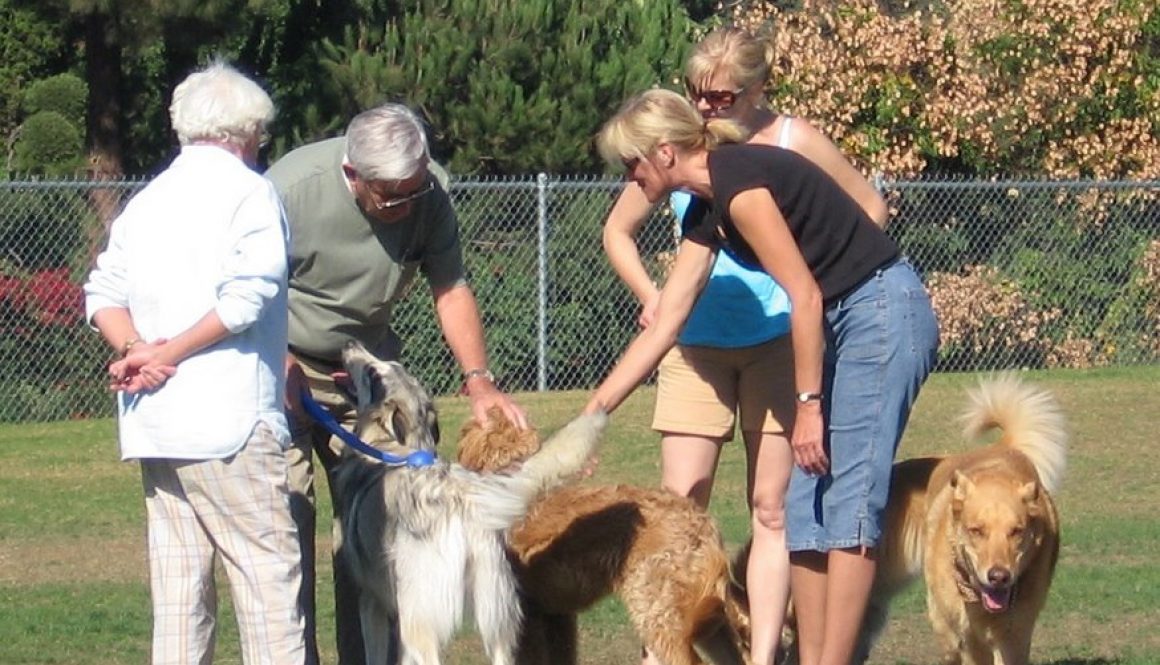
Today, this lively girl rushed up to Ziggy (my dog) and bounced around her, excitedly, getting ‘in her face.’ Both dogs were off lead. I monitored Ziggy’s response; in this case, she was fairly relaxed so, no action was required from the humans.
This, happy picture wasn’t the case a few days ago when the lively lab rushed up to a dog on the lead with a female owner, with her male partner nearby. This time, the dog on the lead reacted aggressively and lunged towards the lab. The owners, equally, reacted with some aggression, shouting and demanding that the lab should be put on the lead.
The lab owner, was incensed. After all, it was the other dog that was aggressive – NOT his, ‘friendly’ pup. Who’s right and who’s wrong? What should have happened?
The first issue is the dog on the lead. The approaching owner has no idea why the dog is on the lead. It might be fearful, aggressive or, perhaps, is recovering from injury. Whatever, the reason it is important to understand that a dog, on a lead, can react differently to one of the lead. If they cannot escape (flee) a situation that bothers them, the next strategy is, often to show aggression (fight or flight).
The owner with the approaching, of lead, dog, needs to think about the picture in front of him. It is not, acceptable, to adopt the approach that your dog, because it is friendly and just wants to make friends and play, will be well received by the dog on the lead. It may go against the grain, but if you can’t control you’re excitable dog, you must put it on the lead. This will prevent any unfortunate incidents as described above.
Not, only will you be keeping you’re dog out of trouble and away from the risk of injury, you will be helping the other dog and, helping it by not forcing it into a behavioural response that is undesirable.
The message to take away is that you must assume responsibility for the behaviour of you’re dog and, ensure you keep it from bothering other dog walkers and, to keep it away from, potential problems.
There are thousands of, unfortunate, dogs that need re-homing throughout the U.K. Many organisations put up dogs for rescue; many are destined to remain in rescue centres for long periods of time.
This is a question that troubles me. I wonder, WHY is this the case? Rescue dogs are of particular interest to me. I believe, they are often misunderstood, often resulting in difficulty in finding these dogs new homes. People are, simple, put of.
Visit any number of dog re-homing sites and you will see comments such as ‘not good with cats’ or ‘doesn’t get along with other dogs’ or ‘ must be only animal in home.’ Now, of course, there might be situations where this type of comment is true. However, many times the opposite is the case.
I have, personally, re-homed ‘difficult’ dogs that were at ‘the last chance saloon.’ Often these dogs had, apparently, serious issues. However, with care, understanding and advice – these ‘difficult dogs’ lived long and happy lives and, overcame most of their issues.
Working with these ‘difficult dogs’ is what prompted me to train as a canine behaviourist. I had always thought I knew a lot about dogs. Well, I was wrong. Through properly studying canine behaviour I came to realize that my lack of knowledge had made it harder than is should have been to help some of the dogs in my charge.
Dogs that find themselves needing new homes, usually through no fault of their own, can’t speak up for themselves and let us ‘humans’ know what troubles them. It is, therefore, incumbent on us to try to understand each and every rescued dog that needs our help.
I would urge, those, kind people, who wish to help a dog, NOT to be put of by descriptions on websites. Visit these dogs, take advice and ask questions. If you can, ask the advice of a canine behaviourist who, may be able to help you and your, potential, new canine addition to your family. Remember, introducing a new dog to your home needs careful thought and, needs to be done in the right way. It can be a challenge, but, believe me, it is one worth your time.
I was chatting to a lady today who was out with her young pup – around 6 months old. She had been trying to train her dog and to do the right things at home. However, it was proving difficult. Her situation is one that is all too common.
Whilst, she was trying to do the right things; train her dog to sit, walk on the lead, not beg for food, etc, her partner wasn’t.
I see this quite frequently. A dog is brought ito the home. One person is very committed to the dog but, the partner isn’t interested. As far as they are concerned the dog is the responsibility of the other person, its’ their dog. This means they do not involve themselves in the development or the care of the dog. In fact, they ignore everything that the, responsible, partner is trying to achieve with the new dog.
For example – one person makes the dog lie down when the humans are eating, the other allows the dog to beg and rewards it for doing so. One person stops the dog from jumping up, the other encourages it and rewards it by interacting with it. I think you get the picture.
This situation is grossly unfair on the dog. It has no consistency, therefore it will become confused. Dogs’ need structure. Without this, they will not develop reliable behaviour and will struggle in the home and away from it.
The message here is do not bring a dog into your home unless, it is a decision agreed by all, the adults, that live there. It has to be a group thing – EVERYONE takes responsibility for the new dog – they ALL do the SAME things. If this is not going to be possible – do not get a dog.
The choice is overwhelming. However, finding the right dog for you should not be an impulse decision. It needs, careful, thought before deciding on the pooch for you. So, why then, do so many people get this important decision wrong?
I see many people that have, simply, not thought about what a dog means, potentially, too their lives. Often, decisions are made, simply, on such ideas as ‘I’ve always wanted this breed” or “they look nice, so I had to get one”. Ridiculous approaches to such an important decision, showing little regard for the needs of the dog or the owner.
Taking on a dog is, almost, as important as deciding to have or adopt a child. So, before leaping in and, going for something that looks cute or meets any other weak criteria; stop and think.
Here are some things to consider:
Why are you getting a dog?
Companionship
Support
Protection
Getting out of the house and meeting people?
Status
The above, are just some of the many reasons why someone might want a dog.
Home situation
Size of property
Garden
Other pets
Family members
Work commitment
Time to commit to dog (play, walking, socialisation, etc)
As you can see, there are quite a few things to consider; the list above is, by no means, exhaustive.
Certainly, when considering the home environment, it is critical that everyone in the household are committed to sharing their home with a dog. I see too many people who have partners, for instance, that have no desire to have a dog, yet – their partners still get one. Not good for the people and, definitely, not good for the dog.
If your work keeps you away from home for long periods, meaning your dog has to be left alone for long periods or, you don’t have much time for walking and spending time with your dog; think, very carefully, before bringing a dog into your home. It is, simply, not fair on the dog.
If you want a dog to help you get out and meet people, don’t get a trophy dog such as an Akita. People may well be put of by such a dog. Don’t, misunderstand me, in the right home and with the right owner, Akitas’ can make great pets. However, they need someone who knows what they are doing and, are willing to make the compromises needed for such a dog.
I could keep going, so I will stop at this point with a few, final words.
When getting a dog, think about the commitment, time, effort and involvement needed to give that dog a good, happy, social life at home and out in the world. If you can’t commit fully to all of the needs of your canine companion – DO NOT get one – get a budgy instead.
Over the past week or so, I have met a number of owners of ‘reactive dogs.’ Two different examples follow.
The first person had 2 dogs, one of which was a nervy, mildy reactive terrier. He’d been attacked a couple of times and now snapped at other dogs. Therefore, the owner tried to keep him away from other dogs. A responsible approach.
After chatting with me for a period, she understood more about how to help her ageing little fella. I saw her a few days later and she had followed my advice – the difference in her pup was marked. He had made significant progress, in a very short time, and was much more relaxed around other dogs. He still had his moments but, they were definitely improving.
The second individual, I encountered today. She approached the water with a number of other dogs, all on the lead. Ziggy was splashing around with me in the water. This owner, let one of her dogs off and kept one on the lead, adopting a very defensive attitude to Ziggy who was showing passing interest but, wasn’t getting near her dog. She explained that her dog had been attacked a couple of times and was now very aggressive to dogs it didn’t know. Therefore, she kept it on the lead. This lady was not open to any advice – her dog would get over it in time (highly likely, it wouldn’t without help).
Heres’ the thing, dogs, often, struggle to ‘get over things’ without our help. In these cases, simply keeping them on an extendable lead is NOT helping. Seeking some professional advice and working with your dog is the way to go.
For example, my dog, Ziggy, has been attacked and injured twice. She has not been kept away from other dogs but, has, instead, continued to be socialised, at the same time, keeping her away from potential problems. Takes a little thought and effort but, it is worthwhile. Not doing so, fails to address the needs of a dog.
Parliament has just debated whether or not Staffordshire Bull Terriers should be placed on the dangerous dogs register (16/07/2018) . Fortunately, sense won the day and, the petition was rejected. In my opinion, rightly so.
This debate was forced by a petition from The People for the Ethical Treatment of Animals (PETA). They argued that the breeding of such dogs, encouraged their abuse. Therefore, banning them would sort this out.
Of course, this ignored the thousands of responsible owners of ‘the nanny dog.’ Anyone with a hint of common sense would understand that the problem is the owners who treat these dogs as trophies and status symbols. There are very few ‘bad’ dogs, there are many thousands of ‘bad’ owners.
ANY dog can become dangerous in the wrong hands. Is PETA going to insist that all breeds with potential, in their eyes, to exhibit uncontrolled and dangerous aggresion should be banned? So, no more German Sheppards, Rottweilers and Dobermans. All of which are beautiful breeds that need competent owners and, all of which are powerful and capable of harm. In the hands of competent owners, all of these breeds make great family pets.
It is, rarely if ever, the dogs fault for being encouraged to demonstrate aggressive and dangerous behaviour. Organisations such as PETA should think, carefully, before seeking to impose draconian measures on responsible dog owners.
Finally, back to the Staffie. This, lovely breed, is known as the ‘nanny dog’ for good reason. They make great family pets and are, usually, great with children. The, occasional horror story, involving this breed can, more often than not, be traced back to what a human has done to generate an extreme behavioural response from the dog.
Staffies are very gregarious, sociable and lively. They are, however a powerful breed and, their temperament is such that they do not back down – if another dog gets in their face, they will fight. This can be said of most dogs – some react more quickly and decisely than others. It is up to responsible owners to do the right thing and keep their dogs away from potentially inflammable situations.
I am staggered by the number of dog owners I see that think it is acceptable to hit their dogs. (I will not be using any pictures in this post — they will be too upsetting for most caring dog owners).
I would recommend ‘How dogs learn (Burch MR et al, 1999)” as a good starting point for those interested in doing the best for their dogs.
Modern canine behaviourists and trainers adopt positive procedures to train dogs. The other end of the spectrum is the trainer who thinks ‘breaking a dog’ through physical punishment is the best way.
Frankly, I would hope that we have progressed over the past 50 years and, now take the view that physical punishment is purely just cruelty. Most of the incidents of this type of abuse are perpetrated by owners that are angry and, simply, lose it when their dogs does not do what they want. Often, they physically assault there dogs, simply because they can.
Two recent examples I have witnessed whilst out with my rescued deerhound:
a) A woman had two, lively (as is the norm for the breed), springer spaniels. In the space of a couple of minutes, this woman, clearly in a temper tantrum, struck one of the dogs, repeatedly with a leash, whilst shouting at it. Ridiculous and downright cruel.
b) A man, with two dogs behind a low garden wall — a boxer and a staffordshire bull terrier, struck both his dogs with a strap as I approached. From what I could see, their crime was to have just shown a little interest in my approaching dog. The dogs stayed behind the wall as I passed. A glance over my shoulder saw the man again strike the dogs with the strap. Why? I have no idea.
Physical punishment such as the above is simply cruel and ineffective — the dog learns nothing from such abuse, just fear of the owner.
Burch M R et al (1999) describes, in behavioural terms, punishers taking a number of forms:
Time out
Withdrawal of attention / time out (separated, for instance: in another room or kept on the lead in a park away from the play of other dogs.
Response cost
Removal of toys / removal of play time
Verbal reprimand
Aahh!! / NO!! / Stop that!!, etc
Physical punisher
Leash correction (jerk on the leash) — considered by many to be reasonable / hit / shove with foot to stop a behaviour / knee in the chest (stop jumping) / pinch collar / shock collar, etc
Natural punisher
Bitten by another animal whilst sticking head down a whole, for instance
The issue of physical punishment is, for me, clear. Sometimes the gentle jerking on a leash might be required — but that is it. Any more than that is abuse. ALL of the other examples described in 4 above, are examples of abuse. NONE of them should EVER be considered.
A dog that is cruelly treated, for whatever reason the human (wrongly) thinks it is an appropriate response, will only learn to be fearful or aggressive, or both.
I strongly recommend that, if you really are a dog lover, you do some reading. “How dogs learn” is a reasonable starting point.
A positively well trained dog is a happy dog!
Reference
Burch, M.R. & Bailey, J.S., 1999, How dogs learn, Howell Book House.